
ILS Skin Cooling Devices


Skin is densely packed with nerve endings, so treatments that penetrate or interact with it, such as injections and laser procedures, can be painful. Pain-relieving drugs like lidocaine can help, but avoiding them is preferable when possible. Treatment pain also causes patient anxiety and discomfort, and it can interfere with adherence to a medication regimen. Cooling the skin is a well-established way to reduce the pain of injections.
An unmet need in large markets
ILS’s devices address a real unmet patient need in markets with substantial revenue potential. [Add one or two headline figures here, with sources
Less pain, better treatment
ILS has developed skin cooling devices that bring this relief to frequently used medical procedures, with a focus on dermatology.
CoolSyringe: Pain Relief for Needle Injections
Controlled skin cooling during needle injection, for uses such as:
Diabetes and other medications that are injected frequently
Vaccination
Cosmetic injectables, including botulinum toxin (Botox) and fillers
CoolLaser: pain relief for light-based treatments
Safe, simple, and drug-free
Cooling is electronically controlled and monitored to reduce pain while protecting patient safety. The devices need no evaporative anesthetics, no chemicals, and no freezer.


CoolSyringe provides controlled skin cooling that alleviate pain during medication injection. CoolSyringe’s markets include dermatology and injectable procedures where a skin cooling device alleviates pain during administration of the procedures. Examples are frequent injections and cosmetic filler procedures.
The Scope of CoolSyringe applications includes:
• Diabetes and other frequent medication administered by injection
• Vaccination
• Cosmetics, e.g. Botulinum Toxin (Botox)
The device cooling functions are electronically controlled and monitored to reduce treatment pain while ensuring patient safety. The devices do not use evaporative anesthetics, chemicals, and do not need a freezer.
The skin cooling devices are configured to be applied in two main areas where skin cooling would be needed/desired to provide relief from procedures' pain, namely CoolSyringe and CoolLaser.
Cooling of the skin has been observed to lessen pain associated with hypodermic injections. Skin cooling can improve patient experience during hypodermic injections.
Cooling skin is attempted by methods including evaporative anesthetics (vapocoolant), where a volatile anesthetic is sprayed on the area of injection (Link). Another method uses a distraction device (for children) with a buzzing sound.
Other methods include use of refrigerated needles (needles stored in a freezer), use of cooling gas, and use of chemical (endothermic) reactions, e.g. ammonium nitrate and water (Link).
An unmet need in large markets
ILS’s devices address a real unmet patient need in markets with substantial revenue potential. [Add one or two headline figures here, with sources


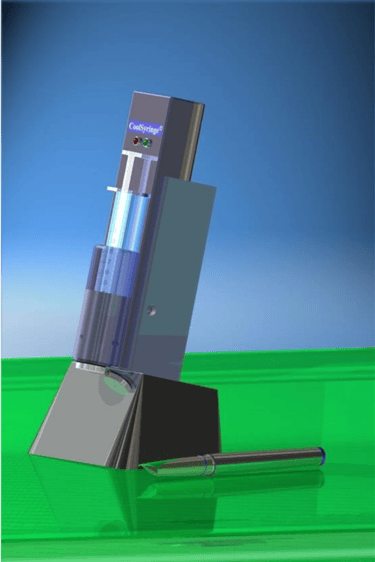
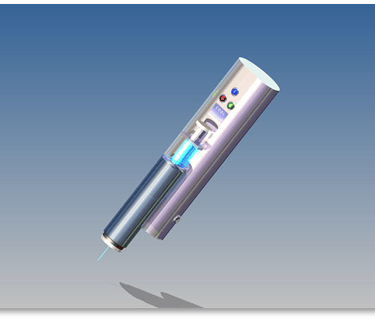
CoolSyringe Easy, Cool Pain Relief
CoolSyringe offers advantages currently unavailable in commercial or clinical devices that address pain reduction via skin cooling. This may be concluded from the competition outlined above, and after patent and literature searches.
CoolSyringe’s advantages include
Solid State: no fluids, chemical reactions, or evaporative anesthetics;
Easy of Use: Hand-held; Delivered Ready to use;
Battery-Operated, Rechargeable;
Fast skin cooling (seconds);
Safety Features include low voltage operation, temperature monitoring indicators, automatic shutoff.

ILS has been granted multiple patents for its skin cooling devices.
CoolLaser alleviates pain during dermatological procedures involving electromagnetic sources, e.g., lasers. CoolLaser’s applications include procedures such as hair and tattoo removal, skin de-pigmentation and other dermatological cosmetic procedures. These are widely used applications, for example, there are over 1 million hair removal procedures yearly in the USA.
Currently available laser devices used in cosmetic treatments with cooling options, particularly in professional medical settings, are quite large, use liquid or gas for cooling, and require professional maintenance (Link).
Note: ILS does not address manufacturing the lasers or other sources of electromagnetic radiation. ILS niche is to provide simple, portable and elegant cooling implements for patient comfort and pain reduction during cosmetic procedures.
CoolLaser offers advantages for medical professional and home users:
Solid state construction;
Fast, safe skin cooling,
Hand-held small form factor
Battery-operation,
No fluids or cold gases used
For more information on CoolLaser, please contact ILS.


CoolSyringe Helps Reduce Needle Injection Pain
Fear of Needle: Needle Phobia is not exhibited by children only; over 20% of adults may temporarily lose consciousness around the time of a needle procedure (Wikipedia).
Diabetes: 37.3 million people, or 11.3% of the U.S. (Link). population, have diabetes. An estimated 28.7 million people – had diagnosed diabetes. Approximately 8.6 million people have diabetes but have not yet been diagnosed. In addition to needle apprehension, frequent injections will likely irritate/cause irritation and multiple skin bumps.
Cosmetics: Filler injections; e.g., Botox/Others. Note that Botox is also prescribed for migraines. Numerous other injectable medications/cosmetics routinely enter the market, e.g.,:
Childhood Vaccines: 26 vaccine shots are given per child in child's first year currently in the USA, where infant/other childhood vaccine shots are estimated at >100 million per year.
Seasonal Vaccination: Annual flu shots are administered to about 50% of the population; >100 million injections/year.
COVID-19: By the end of 2022, multiple billions of COVID-19 doses have been administered worldwide; 600 million in the USA.

Additional IP / Technologies
Available to License & Partnership
Biodiesel
Patented Algae Oils Production
Blood Cytokine Removal
Based on ILS Biopurification Columns products
PCR Analysis Algorithm
Operator-Independent Copy Number Determination